














Why Mobile Gaming Platforms Are Becoming More Like Full Tech Ecosystems
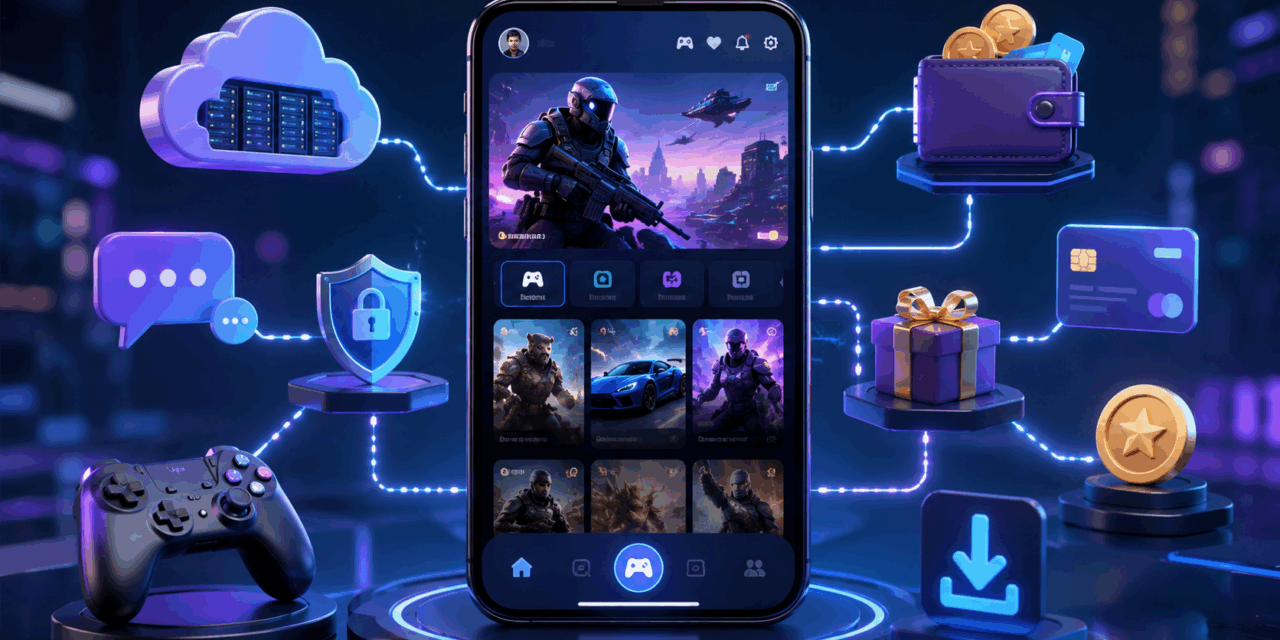
A mobile gaming platform no longer feels like a simple app. It feels more like a small city on a screen. Players log in, chat, pay, earn rewards, watch streams, join events, and manage accounts without leaving the platform.
This shift did not happen by chance. Phones became faster. Networks became steadier. Payment tools became smoother. Players also changed. They now expect a game platform to work like a full service, not a single-purpose toy.
A strong platform now needs more than good games. It needs security, payments, social tools, support, data systems, and mobile design that feels clean in one hand. Each part must work with the rest.
The result is clear. Mobile gaming platforms are turning into full tech ecosystems because users want one place that handles the whole play experience.
The Platform Becomes The Hub
Early mobile games worked like vending machines. Open the app. Play the game. Close the app. The job was narrow and clear.
Modern platforms work more like airports. Many systems run at once. The player moves through login, payments, chat, rewards, support, and game rooms. Each stop must feel quick. Each part must connect without friction.
This is why platforms now build full service layers around the game itself. They add wallets, live help, account tools, bonus systems, event pages, and social feeds. The game remains the main draw, but the platform carries the trip.
This shift also explains why sites such as bcgame fit into wider mobile tech discussions. They show how gaming platforms can combine play, payments, user accounts, and live services inside one mobile-first space.
The best platforms now act less like single apps and more like control panels for digital play.
Payments Now Sit Inside The Game Loop
Payment systems once lived outside the play space. A user left the game, opened a banking page, confirmed a card, and came back. That felt like stepping out of a match to stand in line.
Mobile platforms now bring payments into the same flow. The player can deposit, withdraw, claim rewards, or check balance from one screen. Good design hides the wires. The action feels fast and direct.
A strong payment layer often includes:
- Fast Deposits That Do Not Break The Session
- Clear Balance Tools With No Guesswork
- Multiple Payment Options For Different Users
- Withdrawal Tracking That Shows Each Step
- Security Checks That Protect Funds Without Slowing Play
This matters because money movement shapes trust. A slow or unclear payment flow makes the whole platform feel weak. A clean flow makes it feel solid, like a well-built checkout lane.
Security Becomes Part Of The Product
Security used to sit in the background. Users noticed it only when something broke. Now it shapes the whole platform. A weak login, a slow code, or a missing alert can ruin trust in seconds.
Mobile gaming platforms hold more than scores. They hold wallets, profiles, reward histories, and payment data. That makes security a core feature, not a hidden tool.
| Security Layer | What It Does | Why It Matters |
| Two-Factor Login | Adds a code after the password | Blocks many stolen-password attacks |
| Device Checks | Spots new phones or odd locations | Helps catch account misuse early |
| Payment Review | Flags strange deposits or withdrawals | Protects user funds |
| Session Control | Lets users view and end active logins | Gives users direct control |
| Clear Alerts | Sends notices for key account actions | Makes risk visible fast |
Good security feels like a strong lock on a clean door. It protects the room without making each visit painful.
App Access Shapes The Whole Experience
Mobile gaming lives in small moments. A player may open a platform on a train, during a break, or from a couch. The session must start fast. Every tap must feel close to the next action.
This is why access now matters as much as content. A browser version can work well, but many users prefer a direct app path. It reduces steps. It keeps the platform within reach. It also helps the service feel more like a fixed tool than a loose web page.
Some platforms support this through dedicated mobile downloads. For example, bcgame apk shows how a gaming service can offer app-style access for users who want a more direct route from phone screen to platform.
This move changes the role of the app. It is no longer just a launch button. It becomes the front door to the whole ecosystem.
Social Features Turn Play Into A Shared Space
Mobile gaming no longer ends at the game screen. Players now expect chat, groups, leaderboards, live events, and shared rewards. The platform becomes a room, not just a machine.
This changes how users return. A player may come back for a friend, a tournament, a message, or a limited event. The game starts the habit. The social layer keeps it warm.
“A strong mobile gaming platform does not only host play. It gives players a place to meet, react, compare, and return.”
Good social tools must stay light. They should not crowd the screen. They should help players move, talk, and act with fewer taps.
The best platforms treat social design like a good game lobby. It should feel busy, but not noisy. It should guide the player without blocking the door.
Conclusion: Mobile Gaming Is Becoming A Complete System
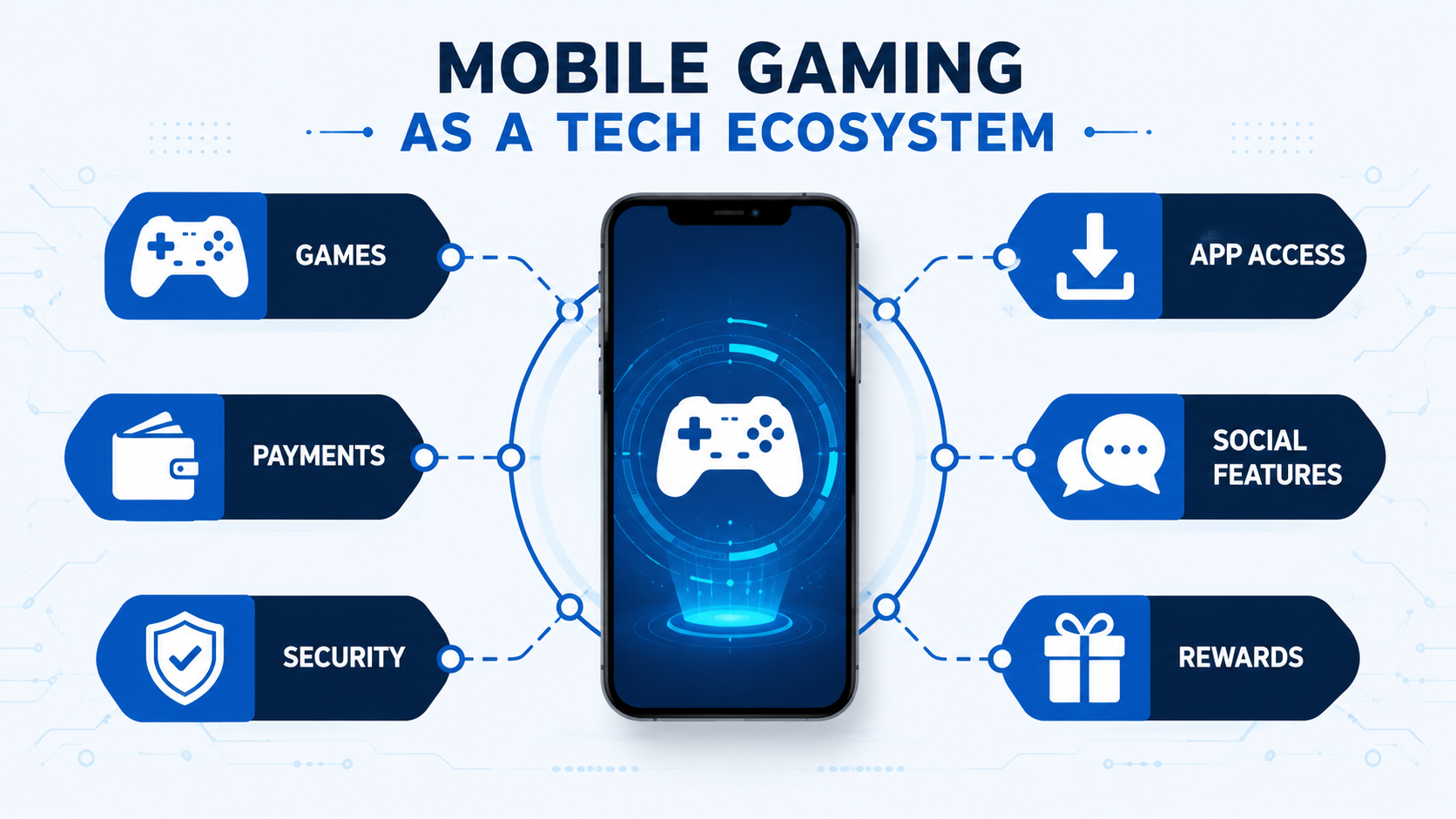
Mobile gaming platforms are no longer simple places to launch games. They now work like connected service hubs. They manage play, payments, security, access, rewards, and social activity in one space.
This change reflects user habits. Players want speed. They want fewer steps. They want clear tools. They want the platform to remember them, protect them, and let them move without friction.
The strongest platforms understand this. They do not treat the game as a lone product. They build the full path around it, from login to support. Each part must feel useful. Each part must feel close.
That is why mobile gaming now looks more like a tech ecosystem than a single app. The screen is small, but the system behind it keeps growing.