













The Role of Medical Conferences in Shaping the Future of Patient Care
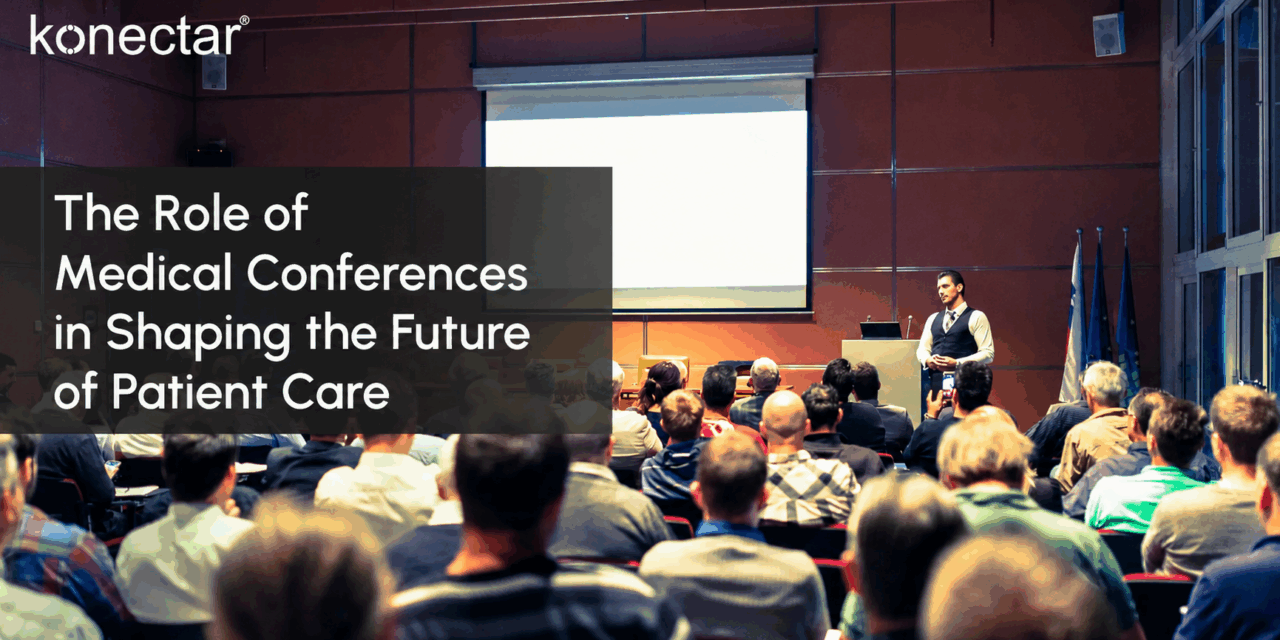
Every year, thousands of healthcare professionals, researchers, and industry leaders from around the world gather at medical conferences. These range from notable and sprawling congresses to specialized symposia focused on rare diseases or emerging therapeutics. These events are where clinical evidence, treatment guidelines, and the future of patient care are shaped.
For life sciences companies, medical affairs teams, and commercial strategists, understanding the conference landscape and how Key Opinion Leaders (KOLs) shape the treatment paradigm has become a strategic imperative.
This blog explores how medical conferences impact clinical practice, the role of KOLs as architects of medical narrative, and how tracking the right conferences and speakers can turn every congress into a powerful reference point for smarter decision-making.
Why Medical Conferences Matter
Medical conferences are the primary venue where the scientific community exchanges knowledge, debates evidence, and establishes consensus. Their impact on patient care is both immediate and long-lasting.
1. Clinical Evidence Takes Center Stage
Late-breaking trial results are often presented at major congresses before they appear in peer-reviewed journals. Data shared at healthcare conferences — whether on oncology, cardiology, immunology, or rare diseases — can shift prescribing behaviour within weeks of presentation. Clinical evidence presented at conferences carries significant weight because it represents cutting-edge, often unpublished findings validated by scientific peer review at the highest level.
2. Treatment Guidelines Get Shaped
It is no coincidence that updated clinical guidelines frequently follow major congresses. Regulatory bodies, medical societies, and guideline committees closely monitor conference proceedings. A pivotal presentation on a new therapy can fast-track its inclusion into standard of care, directly impacting how physicians treat patients globally.
3. Scientific Knowledge Sharing Drives Innovation
Congress scientific knowledge sharing accelerates the pipeline from bench to bedside. Researchers discover collaborators, clinicians gain awareness of novel mechanisms, and industry teams identify white spaces in the treatment landscape all within the span of a few days at a conference.
4. Patient Outcomes Are the End Goal
Ultimately, the medical conference impact on clinical practice translates to patient outcomes. When physicians return from congresses equipped with new data, perspectives, and guidelines, their patients benefit. Better-informed clinicians make better treatment decisions — and conferences are where that information originates.
KOLs: The Architects of Medical Narrative
Key Opinion Leaders are the most influential voices at medical conferences. They chair symposia, present trial results, sit on panel discussions, and author consensus statements. Their endorsement of a therapy or their critique of it can reshape perception across the medical community almost overnight.
When a KOL contextualises clinical trial results within their clinical experience and frames them for an audience of peers, they are effectively setting the tone for how that data will be received, discussed, and acted upon. This narrative power means that:
•A KOL who champions a new mechanism of action can accelerate adoption among hesitant clinicians.
•A KOL who raises safety concerns during a congress session can trigger widespread re-evaluation of a therapy.
•A KOL who features in post-conference publications and media extends their influence well beyond the conference room.
Identifying the Right KOLs
Influence is not one-size-fits-all. A top immuno-oncology researcher may command authority in global trial design but carry limited weight among community oncologists making frontline treatment decisions. Effective KOL identification requires a nuanced understanding of:
- Scientific output (publications, citations, clinical trial authorship)
- Speaking engagements and session chairmanships at key congresses
- Digital presence and influence in medical education conferences
- Peer recognition and network centrality within the medical community
- Geographic and institutional reach
This is where data-driven platforms are transforming the game. Manual identification of KOLs is time-consuming, incomplete, and often biased toward the most visible names rather than the most impactful ones. AI-powered intelligence tools enable teams to identify emerging KOLs and rising voices in specific therapeutic areas or conference circuits — going beyond the usual suspects to surface the voices that are genuinely shaping clinical practice.
The Strategic Imperative: Getting Your KOLs Into the Right Sessions
Identifying KOLs is only half the battle. The real strategic value lies in how you engage them and more specifically, in ensuring that the right KOLs are aligned with, and speaking at, sessions where your product’s story can be authentically told.
- Why Session Placement Matters
When a KOL presents data that supports your product’s efficacy or safety profile in a congress session attended by hundreds of specialists, the impact is far more credible and durable than any promotional campaign. Peers trust peers. A KOL’s endorsement, framed within clinical evidence, carries authority that advertising cannot replicate.
Strategic session placement means:
- Ensuring aligned KOLs are nominated for speaking slots at major medical education conferences
- Requesting satellite symposia or industry-sponsored sessions at key congresses
- Identifying which sessions will draw the most relevant audience for your therapeutic area
- Tracking which competing products are being featured and in which sessions
- Building a KOL Engagement Strategy
A robust KOL strategy is not transactional, it is relational. It involves:
- Early identification of congress speakers months before the event
- Meaningful scientific exchange to align on data and messaging
- Supporting KOLs with publication planning, advisory boards, and medical education
- Tracking engagement history and relationship depth across teams
The best KOL relationships are built on scientific credibility, not commercial convenience. Invest early, engage authentically, and the conference room will reflect it.
How Technology Is Transforming Conference Intelligence
For teams managing multiple therapeutic areas and a crowded global congress calendar, manual tracking is no longer sufficient. A new generation of AI-powered HCP management platforms such as konectar provides life sciences teams the intelligence they need to navigate the conference landscape with precision: before, during, and after a congress.
1. Identifying Upcoming Conferences
Conference intelligence tools now track hundreds of global medical conferences across therapeutic areas, allowing teams to build their engagement calendar months in advance. Rather than relying on fragmented internal trackers or last-minute awareness, these platforms allow teams to:
- Filter conferences by specialty, geography, and audience size
- Identify confirmed speakers at upcoming healthcare conferences
- Map congress calendars against product launch timelines or label update milestones
- Prioritise conferences based on strategic relevance and competitive activity
Early visibility into the conference landscape means teams can prepare their KOL engagement strategy, plan satellite symposia requests, and allocate resources far more effectively.
2. Pre-Conference Reports: Intelligence Before You Walk In
One of the most powerful capabilities these platforms offer is pre-conference reporting — comprehensive intelligence packages delivered to teams ahead of a congress. These typically include:
- Speaker profiles and session summaries for key congress sessions
- KOL landscape maps showing who is speaking, chairing, and moderating
- Competitive intelligence on which companies are sponsoring sessions or presenting data
- Emerging topics and issues likely to dominate the scientific agenda
- Audience profiles and attendee insights for targeted engagement planning
With this intelligence in hand, medical affairs teams can walk into a congress knowing exactly where the conversations that matter will happen, who will be driving them, and how to position their presence most effectively.
3. Post-Conference Reports: Capturing What Happened and What It Means
The end of a congress is not the end of the strategic opportunity — it is the beginning of a new planning cycle. Post-conference reporting gives teams a structured, comprehensive view of what transpired:
Session-by-session summaries of key data presentations and discussions
- KOL sentiment analysis: what the leading voices said and how they framed it
- Competitive landscape shifts: new data that may impact your product’s positioning
- Emerging narrative threads likely to influence guideline updates or clinical behaviour
- Engagement tracking: which KOLs your teams connected with and what was discussed
These post-conference insights enable teams to debrief intelligently, update their messaging strategies, and plan their next congress engagement with the benefit of real-world intelligence rather than anecdotal recollection.
The Bottom Line
Medical conferences are not just events on a calendar. They are strategic venues where clinical narrative is built, KOL influence is exercised, and patient care trajectories are set. For life sciences companies, having the right intelligence — before, during, and after a congress — is the difference between being part of the conversation and being left out of it.
For medical affairs and commercial teams navigating an increasingly competitive congress landscape, conference intelligence is no longer a nice-to-have. It is the difference between shaping the clinical narrative and simply observing it.
Frequently Asked Questions (FAQs)
- Why are medical conferences important for patient care?
Medical conferences are where the latest clinical evidence is presented, treatment guidelines are shaped, and scientific consensus is formed. The insights shared at these events directly influence how physicians treat patients, making them a cornerstone of improved patient outcomes.
- How do medical conferences shape treatment guidelines?
Data presented at congresses is reviewed by medical societies and guideline committees. Pivotal trial results or consensus statements from conferences often fast-track updates to standard-of-care guidelines, directly affecting prescribing practices.
- What is a pre-conference report and how does it help my team?
A pre-conference report provides advance intelligence on a congress, including speaker profiles, session summaries, competitive activity, and KOL landscape maps. It allows teams to plan their engagement strategy and walk in prepared rather than reactive.
- How does a post-conference report differ from a pre-conference report?
While pre-conference reports help you prepare, post-conference reports capture what actually transpired: session outcomes, KOL sentiment, competitive shifts, and emerging narrative threads, giving teams actionable intelligence to refine their strategy going forward.