









Handheld Gaming PCs Reach New Heights as Prices Continue to Rise
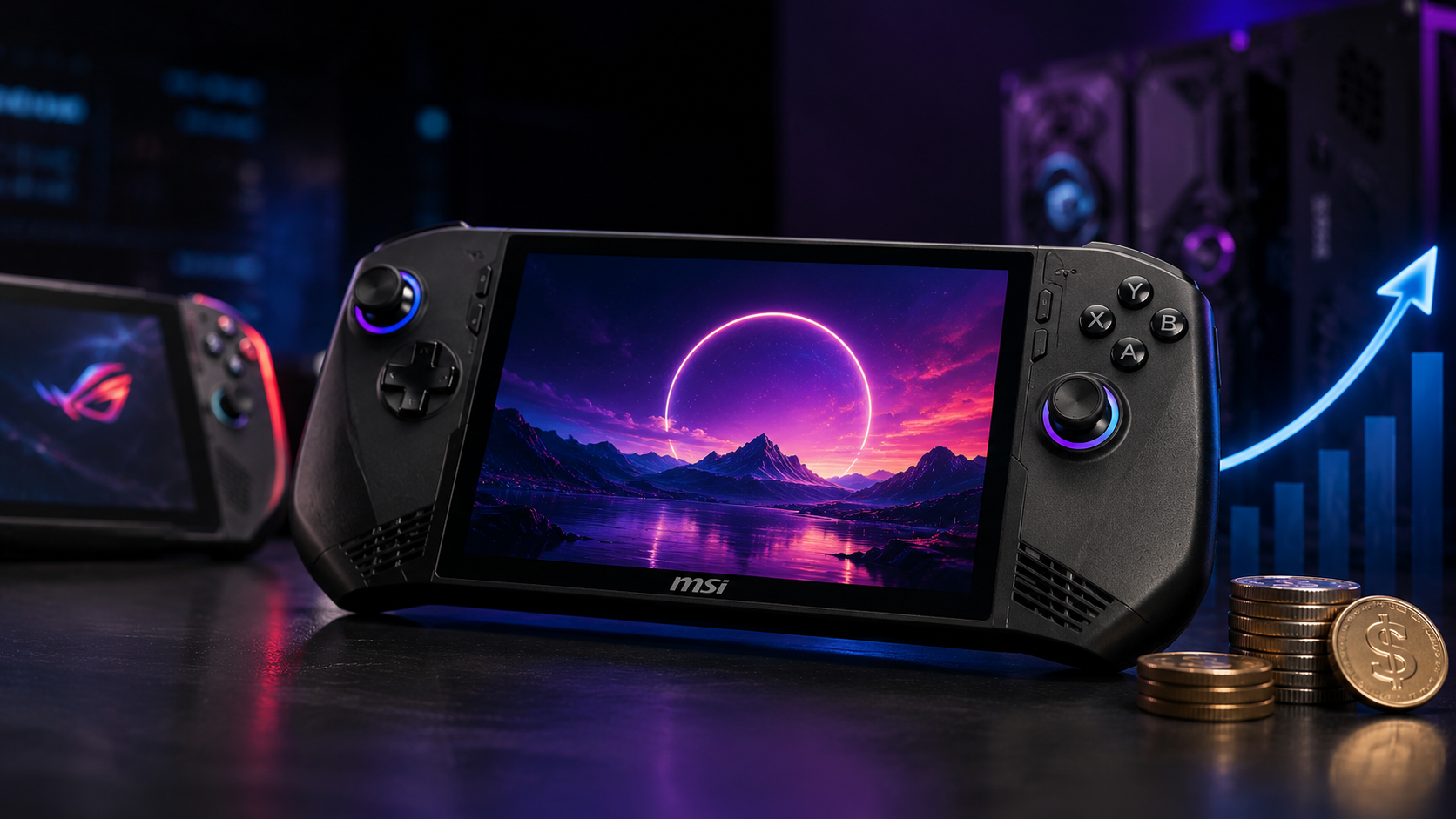
The handheld gaming PC market is entering a new era, bringing more powerful devices than ever before. However, these exciting advancements are also arriving with significantly higher price tags, raising concerns among gamers and technology enthusiasts.
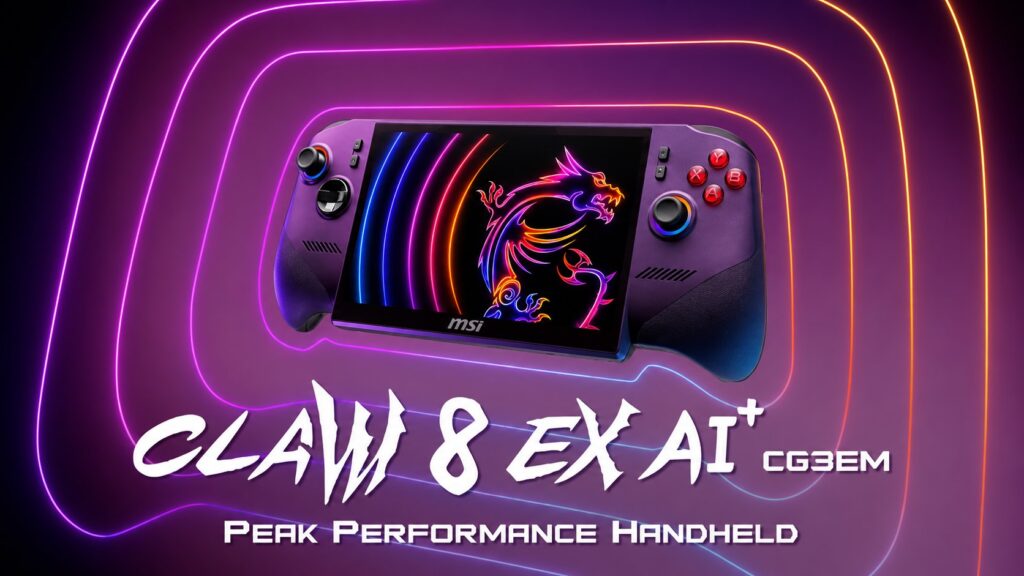
At Computex 2026 in Taipei, several companies showcased their latest handheld gaming PCs. Among the most talked-about devices were the Acer Predator Atlas 8 and the MSI Claw 8 EX AI+, both designed to deliver desktop-level gaming performance in a portable form factor.
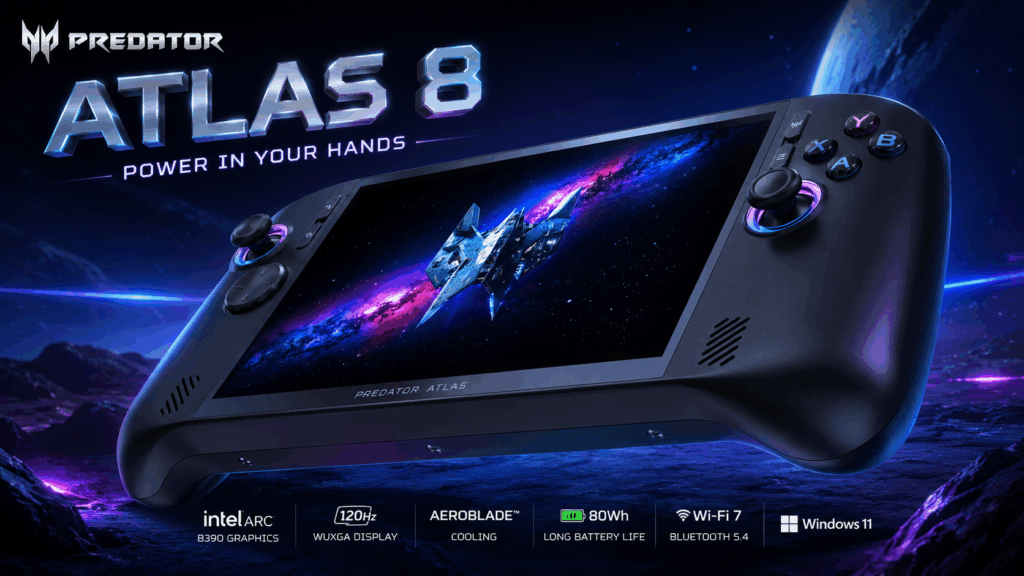
While Acer has not officially revealed pricing for the Predator Atlas 8, reports from attendees suggest that the highest-end version could cost close to $2,000. Meanwhile, leaks indicate that the MSI Claw 8 EX AI+ may launch with a price tag around $1,800.
The rising prices are not limited to newly announced devices. Earlier this year, many gamers considered the Lenovo Legion Go 2 expensive at €999. Recent reports now suggest that pricing has climbed to around €1,649. The Steam Deck OLED has also reportedly seen notable increases, moving from €569 to approximately €779 in some markets.
Several factors are contributing to these higher costs. Industry experts point to ongoing memory shortages, rising manufacturing expenses, supply chain challenges, and uncertainty across global markets. Together, these issues are increasing costs throughout the entire hardware production process.
Despite the higher prices, demand for premium handheld gaming PC may remain strong in certain regions where consumers have greater spending power. Manufacturers continue to focus on delivering more powerful hardware, advanced displays, and improved gaming experiences, even as costs rise.
Many buyers hope that prices will eventually return to previous levels, similar to how markets recovered after the pandemic and cryptocurrency mining booms. However, some analysts believe the current situation could be different, with higher production costs becoming a long-term reality for the technology industry.
For now, the handheld gaming PC market continues to evolve rapidly, offering impressive new devices while also testing how much consumers are willing to spend for portable gaming performance.