














How Digital Storytelling and Engagement Strategies are Changing Modern Media
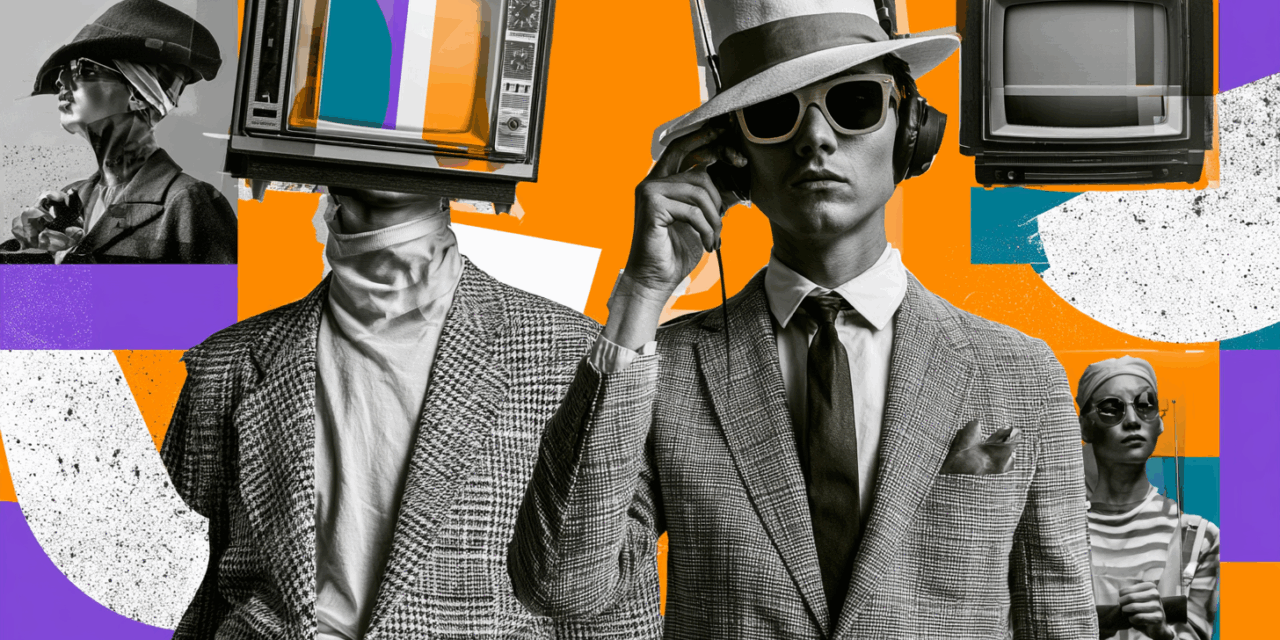
Modern media is transforming faster than most can adapt. Today, the audience does not just consume content; they want to be part of it. A major role in this shift is played by the platform Pinco, which demonstrates how interactive formats turn ordinary leisure into a deep user experience. Companies can no longer rely on passive attention. To survive in the digital space, a brand must tell a story that resonates with human values and emotions.
Digital storytelling has become the foundation for building long-term relationships between businesses and audiences. It is no longer just a collection of texts or videos, but a whole ecosystem where every element works to retain attention.
Why Traditional Advertising Loses to Interactive Marketing
Viewers have learned to ignore banners and direct calls to buy. Modern media demands new approaches where engagement through play, simulation, and personalized experience comes first. Interactive marketing has replaced one-way communication with a two-way dialogue.
When users get the opportunity to influence the plot or choose their own path of events, their emotional connection with the platform grows. This is the best tool to help build strong brand loyalty. If a person spends an evening relaxing on the Pinco casino website, they get not only gameplay, but also a well-thought-out interface, personal achievements, and dynamic leaderboards that turn regular relaxation into an exciting adventure.
Key Components of Modern Content
To keep a person on a website or app, media platforms use several mandatory elements:
- Personalization of the news feed based on artificial intelligence.
- Game mechanics (gamification) in non-gaming areas.
- Instant feedback through comments, polls, and voting.
- Multimedia, combining text, audio, and vertical videos.
User Retention Strategies in the Digital Age
Attracting a visitor is only half the battle. The real challenge is making them return the next day. User retention has become the main metric of success for any digital resource. If the media does not offer regular content updates or interesting interactive features, the audience quickly leaves for competitors.
Effective engagement strategies are built on behavioral analysis. Platforms track which topics cause the most interest, how much time a person spends on a page, and which interface elements they ignore. Based on this data, a unique user journey is created.
Comparing Traditional and Digital Branding
Digital branding requires flexibility and speed in responding to trends. The table below shows the difference between outdated communication methods and modern media tools.
| Evaluation Parameter | Traditional Media | Modern Digital Media |
| Communication Format | One-way (from brand to client) | Two-way interactive dialogue |
| Main Goal | Maximizing audience reach | Deep engagement and community building |
| Primary Tool | Direct advertising, press releases | Digital storytelling |
| Analytics | Approximate, post factum | Instant, in real time |
| Contact Duration | Short, during the ad commercial | Long-term, through leisure services |
Understanding these differences allows companies to optimize their budgets and build effective media campaigns focused on real results rather than abstract views.
The Role of Emotional Content in the Entertainment Industry
The transformation of media strategies has become especially noticeable in the online gambling sector. This industry was one of the first to implement personalization technologies. Today, users look for a safe and interesting environment to relax. The Pinco platform offers exactly this format of quality rest, where every element of the system is focused on customer comfort and positive emotions after a hard working day.
When brands integrate elements of shows, competitions, and social interaction, they stop being just service platforms. They become spaces for communication.
How a Modern Engagement Algorithm Works
To understand in detail how media platforms hold the attention of millions of people every day, it is worth looking at the structure of their work:
- Analysis of the first visit and determining the user’s basic interests.
- Dynamic formation of the content line or offers for relaxation.
- Sending personalized notifications about events that are truly interesting to the person.
- Implementing a reward system for activity on the platform.
- Creating closed communities or VIP clubs to increase loyalty.
This cycle repeats endlessly, adapting to changing moods and audience preferences, which ensures stable platform growth.
Digital Storytelling as the Foundation of Long-Term Success
No technology will work without a clear and understandable idea. Storytelling allows companies to humanize a brand, making it close to the audience. People buy from people, and they stay with brands whose stories they like. Media companies that invest in quality content and engagement get more than just traffic; they get loyal brand ambassadors.
Using modern analytical systems helps correct these stories on the fly. Brands see at which paragraph a person closes an article or at what point in a gaming session at Pinco casino they decide to take a break. This makes it possible to polish the product to an ideal state, removing any barriers between the user and quality leisure time.
Ultimately, those media structures win that know how to combine technological tools with an understanding of human psychology, creating a space where people want to return again and again.