
















All Apps are Learning About You Faster Than They Used To
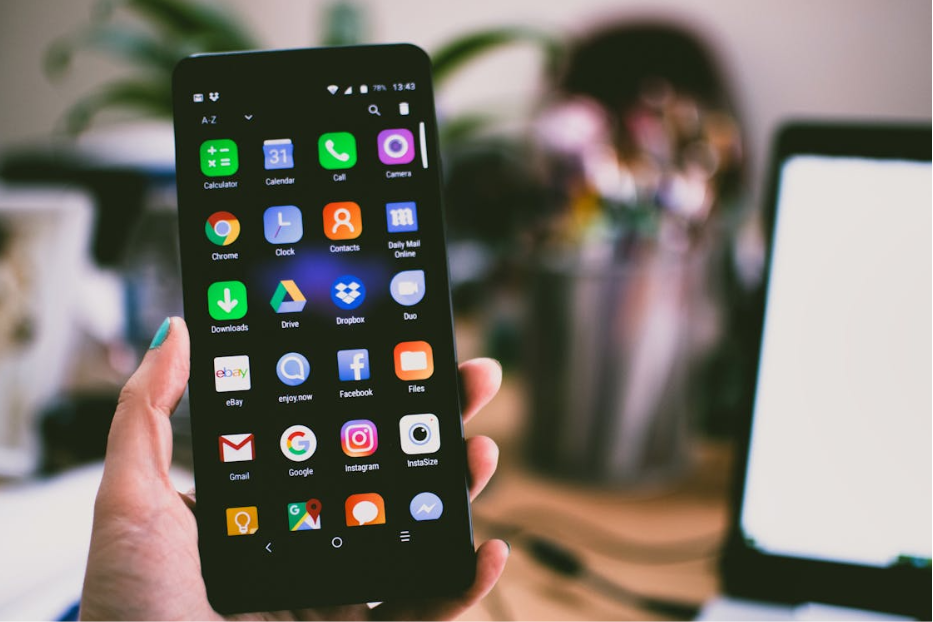
Apple Intelligence runs a three billion parameter language model directly on-device, without sending data to a server. Google’s on-device ML stack powers real-time translation, photo recognition, and predictive text on Android without a network connection. Spotify’s session-aware recommendation engine adjusts what it surfaces based on listening behaviour within a single session, not just across weeks of history. The common thread across all of it is the same: personalisation that updates continuously rather than in periodic batch cycles, and processing that increasingly happens on the device rather than in the cloud.
This is the direction the whole app ecosystem has been moving for several years. What has changed recently is the speed. Apple’s 2026 accessibility previews demonstrated visual context understanding, conversational follow-up, and complex document parsing running on-device. The platform is now actively encouraging third-party developers to plug into its AI APIs rather than embedding their own models, which creates a unified personalisation infrastructure across the entire app library.
Casino apps are one of the more instructive places to watch this technology in use, because the financial stakes attached to getting the model right are direct and measurable. The patterns emerging in gambling apps tend to arrive a cycle ahead of other consumer categories. Partly because the revenue consequences of a misaligned recommendation are immediate in a way they are not in music streaming or e-commerce.
The Homescreen Learns Within a Single Session Now
Five years ago, a personalisation model needed weeks of batch data before it could surface a new preference on a homescreen. The update cycle has compressed dramatically. A casino app player who spends ten minutes on live roulette one evening may find the homescreen leading with live tables the next time they open the app, with no manual curation involved. Spotify does the same thing with listening sessions. Netflix’s recommendation engine recalibrates within a viewing session based on what someone pauses, rewinds, or abandons.
The underlying mechanism is identical across all three contexts: a model watching for behavioural signals, weighting recent activity more heavily than historical averages, and updating the interface in near real-time. The difference between a music app and a gambling app is not the technology. It is the regulatory and financial context that surrounds how the model is used and what it is permitted to optimise for.
Fraud Detection and Safety Monitoring Run on the Same Stack
The same machine learning architecture that powers personalisation also powers fraud scoring and behavioural risk monitoring. In a casino app, a new deposit gets checked for risk signals in the milliseconds between a card number being entered and the transaction clearing, the same pattern-matching technique that banks use for real-time card fraud detection. Responsible gambling monitoring watches for behavioural drift (escalating bet sizes, session length creeping past a player’s usual pattern) using the same anomaly detection approach that cybersecurity tools use to flag unusual account activity. The data protection regulator’s AI guidance covers all of these applications under the same framework: fair, transparent, and accountable use of automated decisions about real people.
Apple’s approach to on-device processing is directly relevant here. Running the model on the device rather than a server means sensitive behavioural data never leaves the hardware. That architecture is attractive to any app category where user data is sensitive, which is why the pattern Apple has established for on-device AI is likely to influence how gambling apps handle personalisation and monitoring as the platform APIs mature.
The Regulatory and Commercial Incentives Converged
UK gambling regulation has pushed operators to monitor affordability and risk signals actively. The technology that makes that viable at scale is the same technology making the homescreen feel personally configured. Casino apps that compete on player experience are building on the same model architecture for engagement and safety simultaneously. Regulators and product teams ended up needing the same underlying capability for different reasons, which is a dynamic playing out across the app ecosystem more broadly as Apple Intelligence and Google’s on-device ML stack make continuous personalisation infrastructure available to any developer building on their platforms.
The personalisation race that Apple, Google, Spotify, and Netflix have been running for years is now infrastructure. The question for every app category is not whether to use it but how to use it within the regulatory and ethical constraints that apply to their specific context. Casino apps are a useful case study precisely because those constraints are tighter and more explicit than in most other consumer categories, which makes the trade-offs more visible. As Apple’s platform APIs mature and on-device processing becomes standard, those trade-offs will surface in every category that handles sensitive behavioural data at scale.