











How Precision CNC Machining Supports Aluminum Tech Components
Aluminum is a practical material for premium keyboard cases, SSD enclosures, and cooling hardware because it is light, durable, corrosion-resistant, and effective at conducting heat. Its usefulness depends heavily on how accurately the finished component is made. CNC machining services give product designers control over dimensions, mounting features, internal cavities, and exterior details that would be difficult to achieve consistently with less precise production methods.
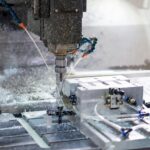
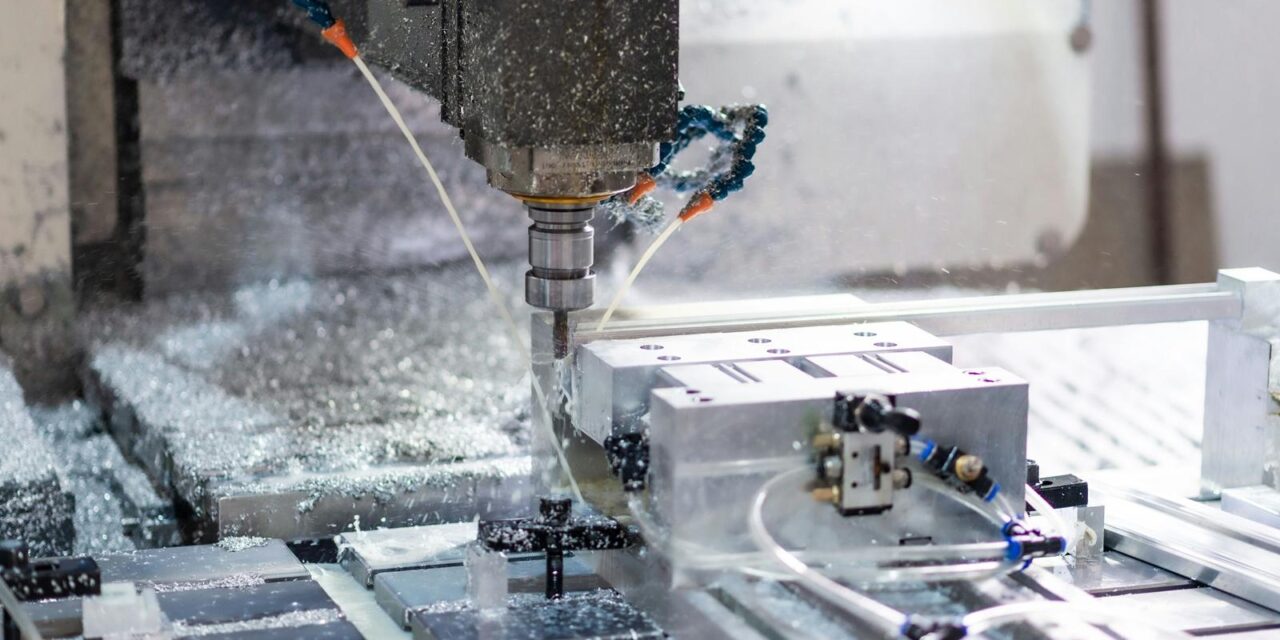
CNC machining removes material from an aluminum block, plate, or extruded profile with computer-controlled cutting tools. The resulting CNC machining parts can include deep pockets, threaded holes, narrow slots, flat mating surfaces, and detailed external contours. This approach supports functional requirements, such as a secure fit around electronics, alongside visual requirements, including a consistent finish on visible metal housing.
Keyboard Cases Rely on Controlled Dimensions and Stiffness
An aluminum keyboard case must position several components accurately. Precision CNC machining creates the internal pockets and mounting features that establish the correct relationship between the switch plate, printed circuit board, stabilizers, USB connector, screws, and top and bottom case sections. When these features are properly located, assembly is smoother, and the finished keyboard has fewer uneven gaps or unwanted movement.
Tolerances define how far a manufactured dimension may vary from its target value. For example, a feature specified at 10 mm with a tolerance of ±0.05 mm can measure between 9.95 mm and 10.05 mm. Keyboard cases do not require the same tight tolerance throughout, but connector openings, screw locations, plate seats, and mating edges often need closer control than broad exterior surfaces.
A rigid 6061 aluminum case can reduce unwanted flex during typing. The alloy combines good machinability with useful strength and corrosion resistance, making it a common option for housings with threaded fasteners and detailed internal geometry. A CNC machining manufacturer can machine these features while maintaining consistent relationships between the visible exterior and the components hidden inside the case.
6061 and 6063 Aluminum Fit Different Product Needs
6061 aluminum is widely used for machined consumer hardware because it offers a balanced combination of strength, workability, and surface-finish compatibility. It is suitable for keyboard cases, structural brackets, compact equipment housings, and other parts that must remain stiff while accommodating precise threads, cutouts, and assembly features.
6063 aluminum is generally less strong than 6061, but it is well known for extrudability and favorable thermal conductivity. It is frequently used for profiles that can be produced efficiently with repeated cross-sections, including rails, channels, and heat-sink forms. After extrusion, a CNC machining service can add end cuts, mounting holes, ports, and custom openings.
The choice between the two alloys should reflect the part’s primary function. A substantial keyboard case often benefits from 6061’s structural performance, while a cooling profile may favor 6063’s ability to form complex extruded fins and transfer heat effectively. Some products combine both approaches, with extruded 6063 sections receiving secondary machining where high-accuracy interfaces are required.
SSD Enclosures Need a Reliable Heat Path
An SSD enclosure protects the drive while helping it manage heat generated during sustained transfers. High-speed solid-state drives can warm significantly when their controller and memory operate continuously. If temperatures rise too far, the drive may reduce performance to protect its components, a process called thermal throttling.
Aluminum helps by spreading heat across a larger area of the enclosure. A thermal pad typically sits between the SSD’s heat-generating components and the inside of the metal case. The pad fills microscopic air gaps, creating a more effective path for heat to travel from the drive into the aluminum. Air conducts heat poorly, so maintaining appropriate contact pressure is important.
Machining accuracy affects that thermal connection. An enclosure with too little internal clearance can press too hard on the drive or connector, while excessive clearance may prevent the thermal pad from contacting the case effectively. Precision control of the internal cavity, pad ledge, connector opening, and retaining features helps the enclosure work as intended.
Cooling Components Depend on Surface Area and Contact
Heat sinks, cold plates, and cooling brackets are designed around geometry. Fins and external ribs increase the surface area exposed to air, which helps the metal release heat. Channels, mounting holes, and flat contact faces must be located accurately so the cooling part fits the target board, chip, or enclosure without creating mechanical stress.
The flatness and finish of a contact face can influence heat transfer. Thermal paste, pads, or phase-change materials compensate for small irregularities between two surfaces, but a poorly machined interface can still limit effective contact. CNC machining parts can be produced with the surface quality appropriate to their thermal interface rather than applying an unnecessarily expensive finish everywhere.
Anodizing is a common finishing process for aluminum cooling hardware and enclosures. It creates a protective oxide layer that improves resistance to corrosion and wear while also enabling color options. Sandblasting before anodizing produces a consistent matte appearance, while brushing creates a directional satin texture. Coating thickness should be considered for threads, close fits, and other precision features.
Precision Connects Material Selection to Real-World Performance
Aluminum hardware performs best when the material, geometry, tolerances, and finish are planned together. 6061 supports strong, highly detailed keyboard cases, while 6063 is often useful for extruded thermal profiles that receive secondary machining. Through precision CNC machining, a well-specified CNC machining service can create parts that align cleanly, protect electronics, transfer heat, and retain the refined appearance expected from premium technology products.