












Best Budget Student Laptops for 2025: Power for Less
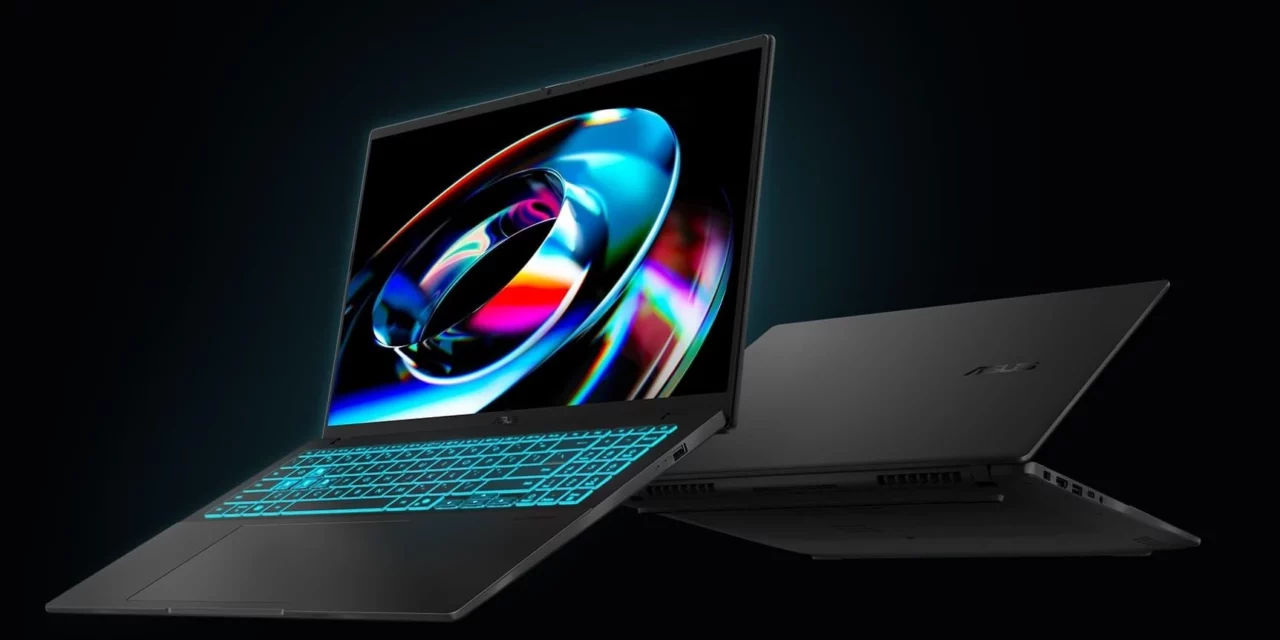
With technology improving at breakneck speed, so are the expectations of students in various disciplines. Whether you’re listening to online university lectures, writing lengthy research papers, designing presentations, or collaborating on group projects together with shared sites, a good laptop is no longer a luxury—it’s a definite necessity. However, with higher tuition fees and the cost of living on the increase, most students are looking for the ultimate mix of affordability and usability. What are the top budget laptops of 2025 that are still suitable for today’s students?
In this full guide, we’ll cover some of the most fascinating and value-for-money laptop models on the market for students today. From bendy 2-in-1 devices to mobile beasts, we’ve prioritized performance, price, and ease of use. We’ll also share tips on smart shopping, highlight key features to look out for, and cover how to make the most of your investment in a tech-powered learning environment.
Why Choosing the Right Budget Laptop Matters More Than Ever
Today’s students are operating in more advanced digital learning environments than ever. From high-bandwidth video conferencing and the cloud to collaboration software, writing software for scholars, and virtual lab environments, the average workload requires so much more than a simple word processor. Choosing the right laptop is not just about specs—it’s about seamless productivity, comfort, and efficiency when confronted with heavy academic work.
Battery life, portability, and ergonomics are also as important as hardware specifications. Long battery life implies a student can last a back-to-back full-day schedule, while lighter designs avoid causing physical exhaustion. Furthermore, solid construction and good keyboarding will increase longevity along with daily usability.
Online education also brings with it new issues—most students need help to keep pace with writing assignments, particularly when handling other tasks. That’s where writing assistance services such as WriteMyEssays assignment help are their gold standard. By offering personalized writing service, they allow students to survive tight deadlines and remain faithful to academic integrity without losing grip.
Best Budget Laptops for Students in 2025
We’ve compared these laptops against current marketplace trends, user reviews, benchmarking scores, and student task suitability. All selections are under $700 and provide a blend of performance, ruggedness, and value.
1. Acer Aspire 5 (2025 Version)
Price: Around $549
Specs: Intel Core i5-1335U, 8GB RAM, 512GB SSD, 15.6″ Full HD
Pros: Top-notch multitasking feature, solid build, backlit keyboard
Cons: Bulky build compared to thinner ultrabooks
Acer continues to achieve an excellent cost-to-performance ratio with its Aspire 5 series. This latest model can handle typical school workloads such as multitasking browser tabs, running cloud-based applications, and streaming video lectures. The large screen is a plus for students who write and read a lot.
2. Lenovo IdeaPad Slim 5
Price: Around $620
Specs: AMD Ryzen 5 7530U, 16GB RAM, 512GB SSD, 14″ FHD IPS
Strengths: Excellent multitasking performance, light, thin
Weaknesses: No discrete GPU limits gaming or 3D work
The IdeaPad Slim 5 stands out for its generous RAM and storage, future-proofing it for most student applications. Its slender dimensions and minimal weight make it an excellent choice for students who attend in-person classes or like to work in coffee shops and libraries.
3. HP Pavilion x360 Convertible
Price: Approximately $599
Features: Intel Core i3-N305, 8GB RAM, 256GB SSD, Touchscreen 2-in-1
Pros: Convertible form factor, responsive touchscreen, stylus support
Cons: Storage could be restrictive for media-hungry users
This handy device is ideal for art students or anyone who likes to jot down notes by hand. It can be both a laptop and tablet, and this dual functionality is ideal for drawing diagrams by hand, annotating PDFs, or even reading documents more naturally.
4. ASUS VivoBook 15 (2025 Model)
Price: $489
Specs: Intel Core i3-1315U, 8GB RAM, 256GB SSD
Pros: Cheap, long-lasting build, excellent battery life for the price
Cons: Not good for heavy software usage
If you’re a student where most of your tasks are about reading, research, and writing, then VivoBook 15 is an ideal choice. It may not perform high-level software or heavy multitasking, but it does quick work on basic college work.
5. Framework Laptop 13 (DIY Edition)
Price: Starts at $699
Specs: Adjustable; base model includes Intel Core i5-1340P, 8GB of RAM
Pros: Totally modular, easy to repair and upgrade, sustainable
Cons: Requires DIY installation skills
This is a high recommendation for tech-savvy students. Framework laptop is built with longevity in mind, so it’s an affordable and sustainable investment. You can swap out components as needed, which is fantastic for engineering and IT students. Learn more on Framework’s website.
What to Look for in a Budget Laptop: A Student’s Checklist
- Battery Life: Choose laptops with at least 8 hours of battery life, ideally 10+ for long academic days.
- Weight and Size: Lighter versions weighing less than 4 pounds are easy to carry and store.
- Memory (RAM): 8GB is the minimum; 16GB offers smoother multitasking for heavy users.
- Storage: SSDs provide quicker load times. Choose 256GB minimum, or supplement with cloud storage.
- Screen Quality: The screen resolution has to be at least 1080p (Full HD) to ensure reading and writing quality.
- Keyboard Comfort: Longer typing hours demand a well-designed, tactile keyboard.
According to a recent survey by TechRadar, students value performance, display quality, and weight in selecting devices—reaffirming the importance of well-thought-out design even in low-cost models.
Tips to Get the Most from Your Laptop Investment
Purchasing a smart laptop is merely the beginning. Below are some things students can do to get the most out of their technology:
Use Cloud Platforms: Google Workspace and Microsoft OneDrive make backing up and accessing remotely easy.
Protect Your Laptop: A padded backpack and nice case will work wonders to protect against bumps and bruises.
Free Academic Software: Install Notion for note management, Zotero for citation, and Grammarly for real-time editing.
Investigate Online Learning Resources: Websites such as Khan Academy and Purdue OWL provide free content to support your academic work.
Stay Current: Update software and firmware for optimal performance and security.
Final Thoughts: Study Smarter with the Right Tech
A budget computer can nonetheless open the door to an exceptional learning experience. By putting student practical needs first—from battery life and portability to support services students can create a successful environment around their learning. The proper computer will keep you organized, connected, and productive no matter your course of study.
So take your time, review your priorities, and make a decision that balances capability and cost. Wise investments in your academic arsenal today will yield dividends for years to come.
Stay productive, stay prepared—and let 2025 be the year of your academic greatness.