












Einarex Zenith ZM800 Review: Worthy or Just Another Case?

What’s going on, everybody? Welcome back to the channel. Today, we get a first look at a new case that just hit the floor at CES — the Einarex Zenith ZM800. This is an aggressive little micro-ATX case with airflow palpably etched all over it. We’ll be unboxing it, taking a tour of the build quality, doing some checking on what’s in the box, and, of course, a full run of thermal testing with components as well. So without further ado, let’s go nose-deep into this thing, rip it open, and find out if Einarex is on to something killer… or if they’ve simply rebranded the rectangle.

First Impressions & Unboxing
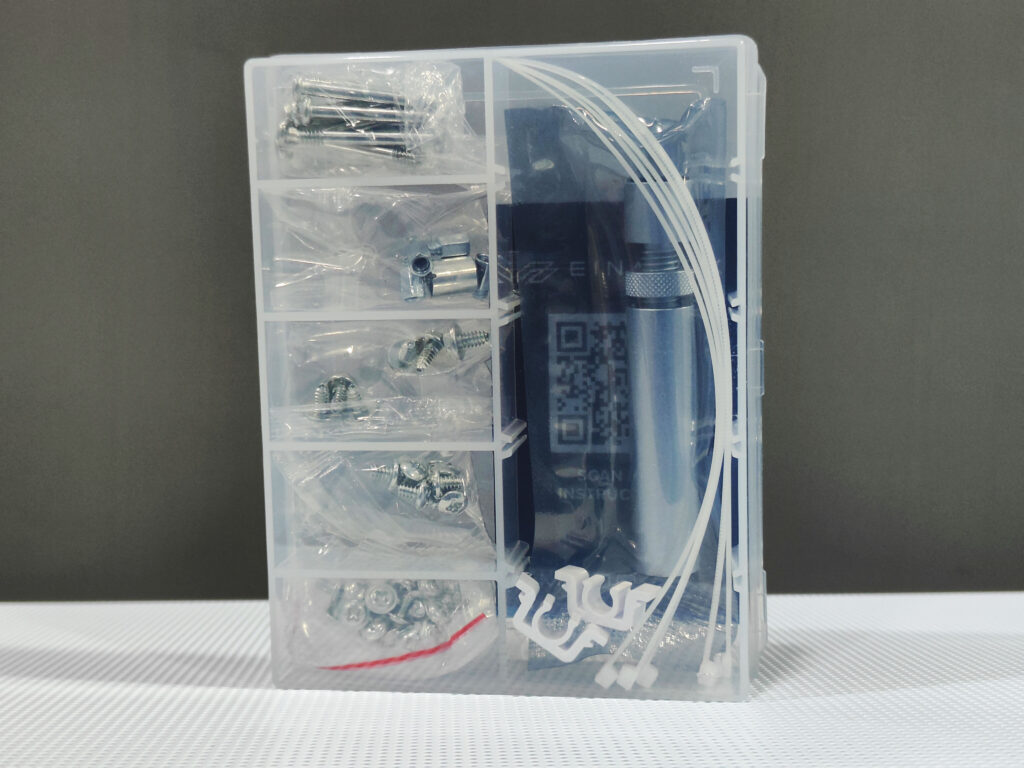
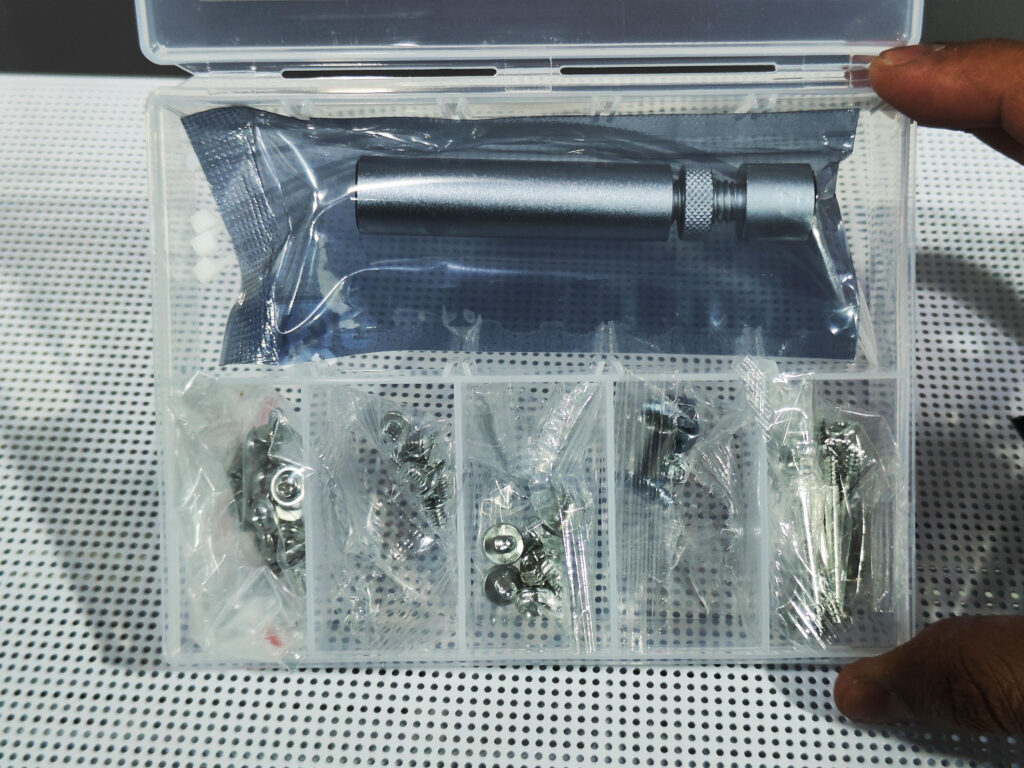
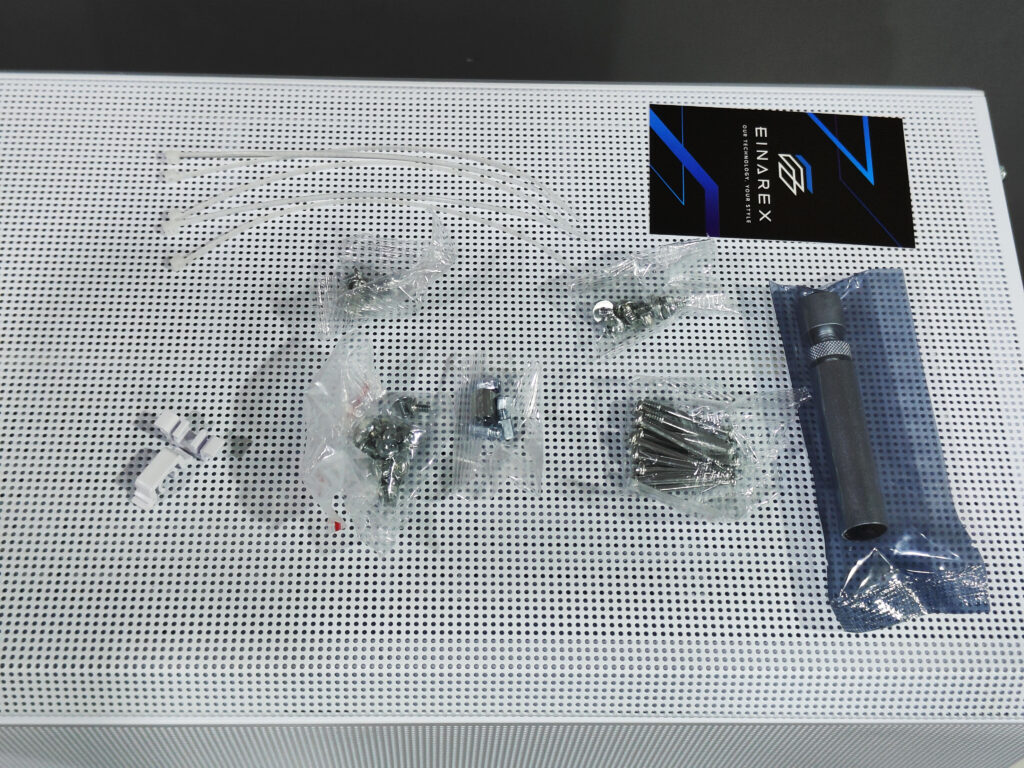
Included within the box is a simple accessory pack and QR code manual.
Also included: zip ties, mounting hardware, everything all nice and neat and orderly.
Design

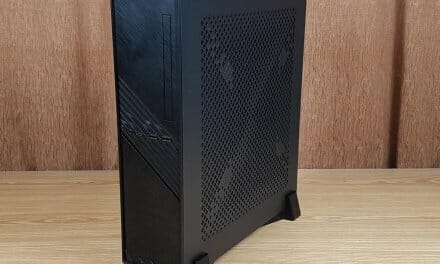
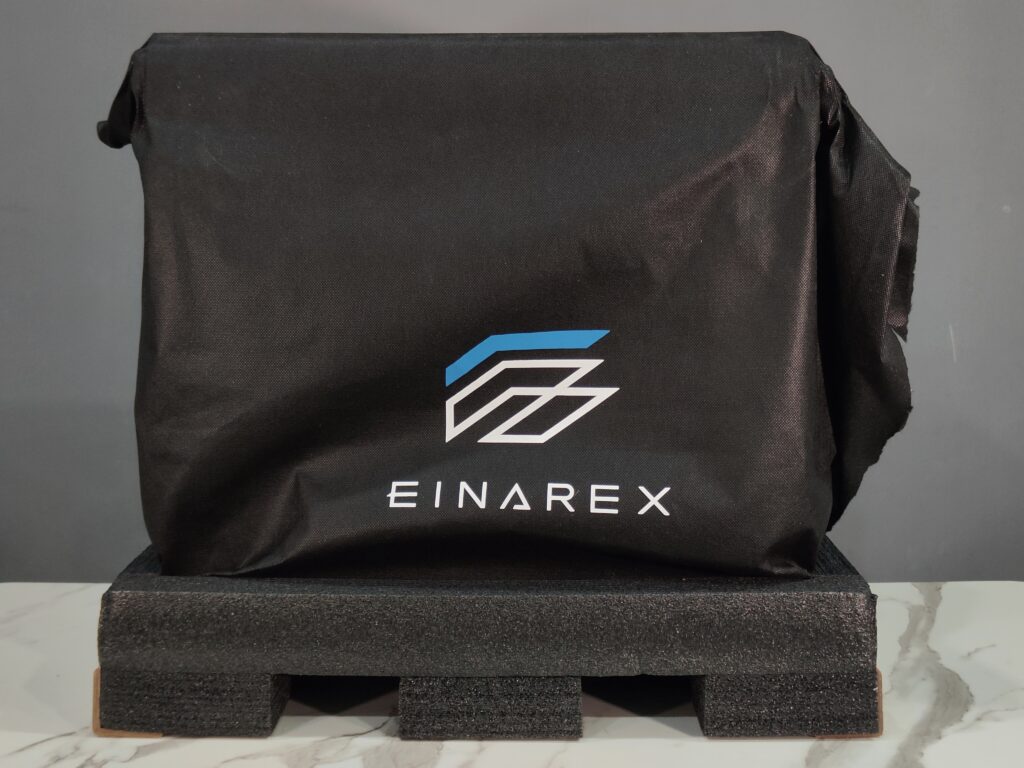
At first glance, the Einarex Zenith ZM800 is straight out of the box. The Einarex Zenith ZM800 is a micro-ATX case that prioritizes airflow, evident from its perforated top and rear, as well as its side panels, which feature numerous airy grilles throughout. The case arrived well-protected in nice foam and even included a cover to protect against scratches during shipping.
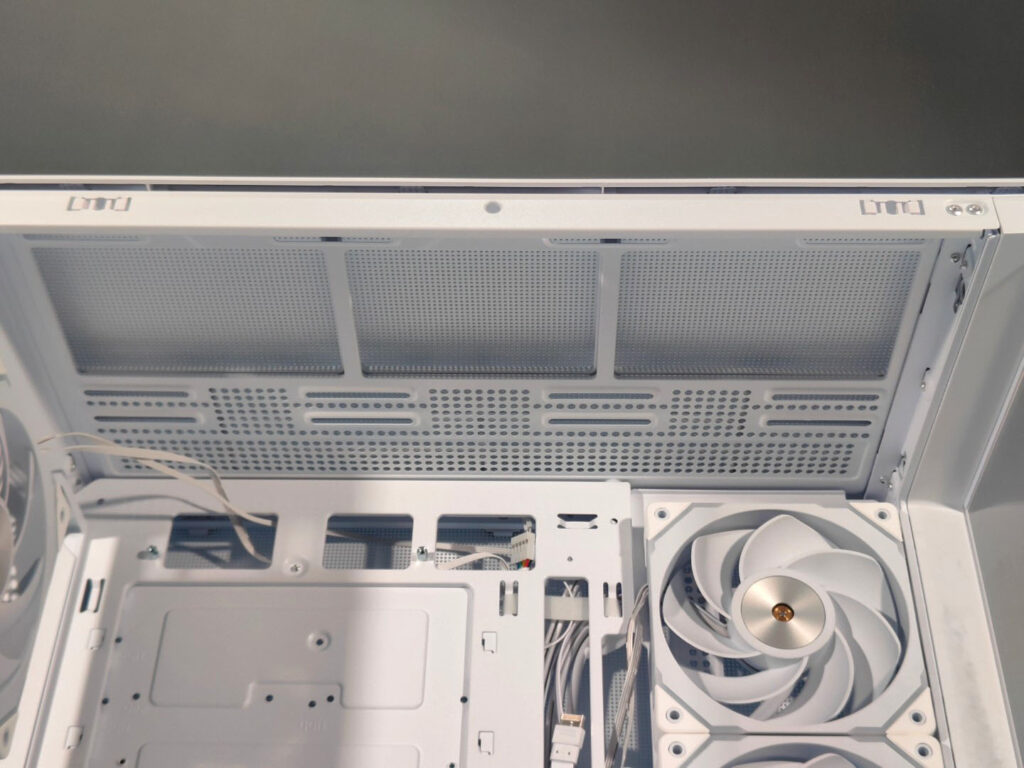
Tempered glass panels add to the premium feel, and the build quality is mostly good, though there is some flex at a point near the top brace when the top panel is removed —something that bears mentioning, particularly if you plan to lug it around ofter or mod it. Otherwise, the materials used feel solid and premium, given the price.
Front I/O:
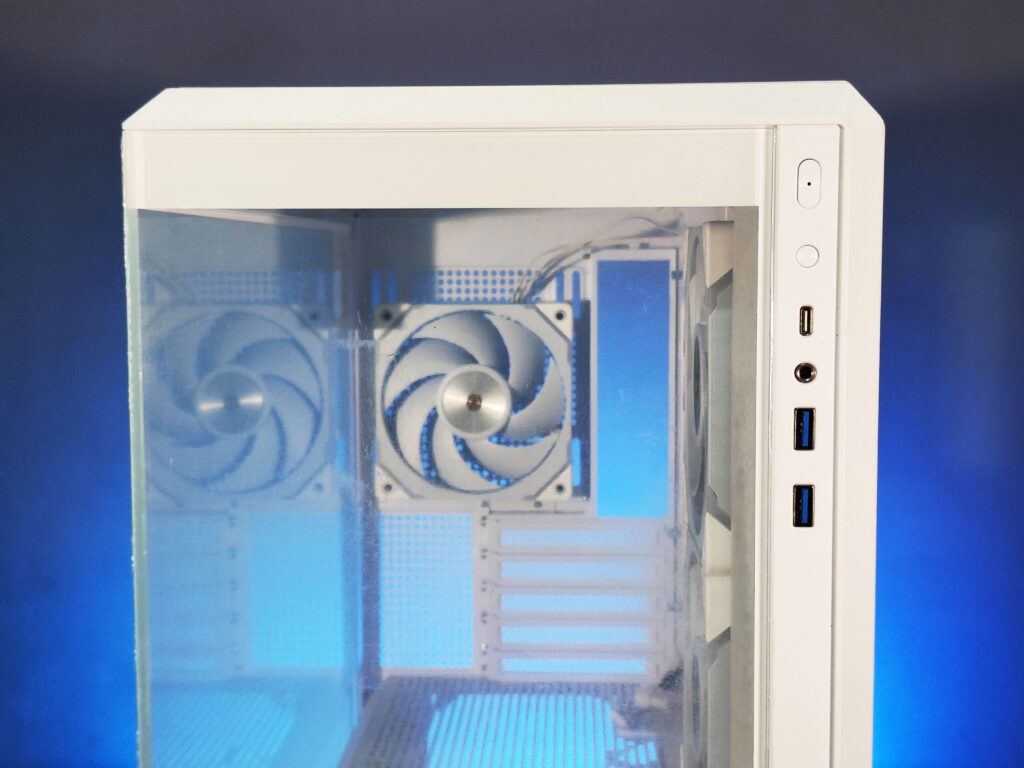
- Power & Reset Buttons
- USB-C
- Headphone Jack
- Two USB 3.0 ports
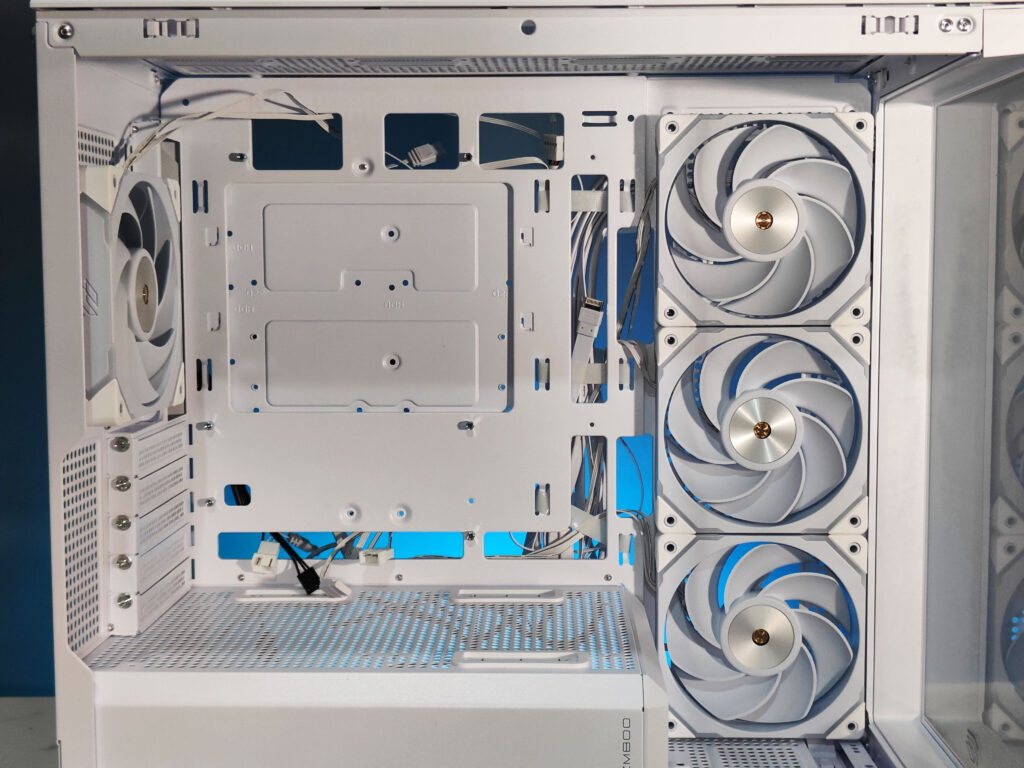
Inwardly, it has been smartly planned: the ability to mount a 360mm radiator up top, five PCIe slots, ample space for big GPUs (like a 4090), and the capacity for fairly tall PSUs. You’ll also receive three reverse-blade ARGB fans already installed, attached to a simplified PWM/ARGB hub for straightforward sync and control. The front panel removes effortlessly without needing any tools during the process, removing the hassle of cleaning or displaying your build.
Airflow and Cooling

Like I said, the Einarex Zenith ZM800 is all about air. The top of the case supports space for a 360mm radiator, perfect for those who plan on using liquid cooling. The front panel is solid, so absolutely no poppin’ off here, but beyond that, everything is mighty accessible for toolless building and cooling action.

Another highlight is the bundled ARGB hub, allowing for normal 4-pin PWM and ARGB connectivity. This enables no-nonsense lighting and fan speed customisation; something not to be sneezed at for any tweaker that wants a bespoke build.
Thermal Performance and Noise Output
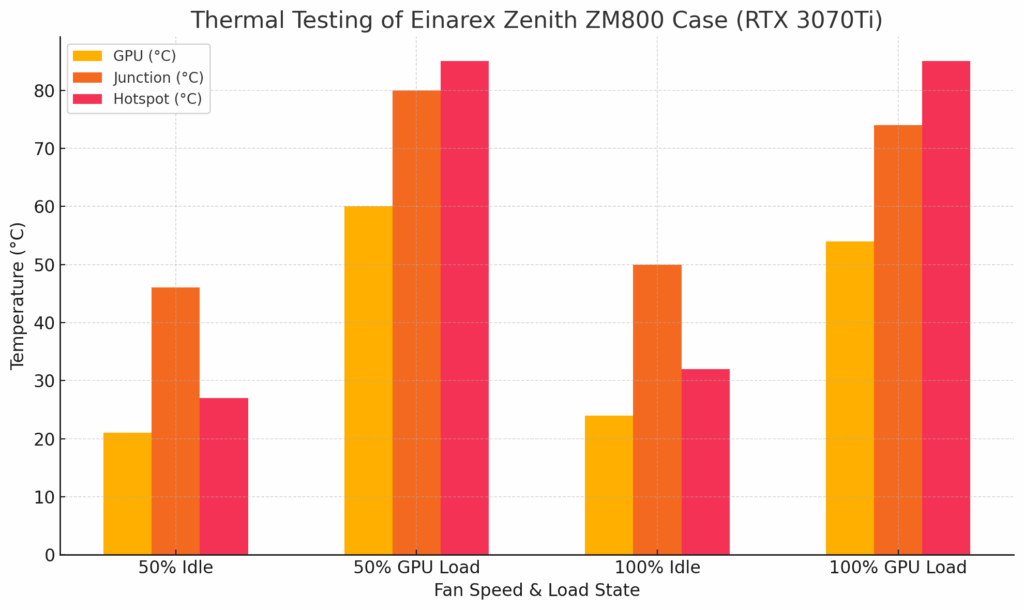
Now let’s talk performance. I performed several tests to measure how cool this case was. I tested with 50% and 100% fan speeds using an RTX 3070Ti GPU just to see the thermals.
At 50% fan speed, the GPU’s idle temperature was approximately 21°C, with the junction temperature reaching 46°C, and the hotspot hitting 27°C. After running Timespy Extreme for 15 minutes, the temperatures hit a maximum of 60°C for the GPU, 80°C for the junction, and 85°C for the hotspot.
When the fan speeds are cranked up to 100%, the GPU’s temperature goes down quite a bit, with idle temperatures at 24°C and maximum temperatures reaching 54°C for the GPU and 74°C for the junction. These are also very good results, especially at this price point.
But about the noice of the fans is extremely loud, previously I was using the Montech SkyTwo case with its RX120 PWM, never heard this level of sound. If you notice the noice, it will keep irritating you. I hope they will fix it as soon as possible.
Verdict of Einarex Zenith ZM800
Final Thoughts: Pros & Takeaways

So, after living with it and thermally pushing it around, here’s my take:
What I Like:
- Reverse blade fans are standard (all 3 of them!) – they feel and work wonderfully.
- ARGB/PWM Hub – completely standard plugs, which is excellent for compatibility.
- Airflow centric design – everywhere vents, top, sides, back. This thing breathes.
- Toolless front panel – large, full coverage, bottom filter for easy access and simple cleaning.
- Great GPU support – takes a 4090, no sweat (I didn’t check 4090, but it has the capacity for it), although the card will come over the middle fan.
Room for Improvement:
- This part right here (points at middle bracket) becomes weak when you remove the top panel. It’s a structural weak point.
- The fan noise is excessively loud and needs to be addressed.
- Whilst the case only costs around £110-130 ($120-130 USD), I’d like to see this reinforced in future iterations.
Final Thoughts

For now, let’s highlight some hits and misses. First and foremost, the fans are a highlight. The fans are also mounted to push air from back to front, which provides a cool aesthetic and effectively increases airflow. Not to mention the pre-installed ARGB hub, which is a nice touch and makes customization a bit more user-friendly. And the case’s design and flow of air are great for keeping this thing cold, even when running intensive apps.
One thing for refinement is the top panel case portion. The piece that holds the top feels just a bit flimsy once the top panel is removed. It begins to flex as you prod it, which is something I’d recommend the brand strengthen to avoid in future iterations. Since the case itself costs close to $120–$130, not a huge deal, but something to keep in mind.
So far, I am happy with the Einarex Zenith ZM800. It provides great cooling, is extremely well-made, looks like no other case out there, and does so all at a good price point. I think this case is poised to be a real winner if you want a slick, no-nonsense case for your next build. Being able to pop off the side panels in a snap without any screws is another win for me, it makes upkeep and cleaning so much easier.
So, for those of you looking for a new case, I would happily recommend giving the Einarex Zenith ZM800 a go. It’s just the right combination of performance, style, and features.
Read Also: Pwnage unleashes Zenblade 65 V2 Hall Effect keyboard with 8 KHz polling and Nyomi limited edition