














How Remote Work Is Redefining Work-Life Balance in 2025
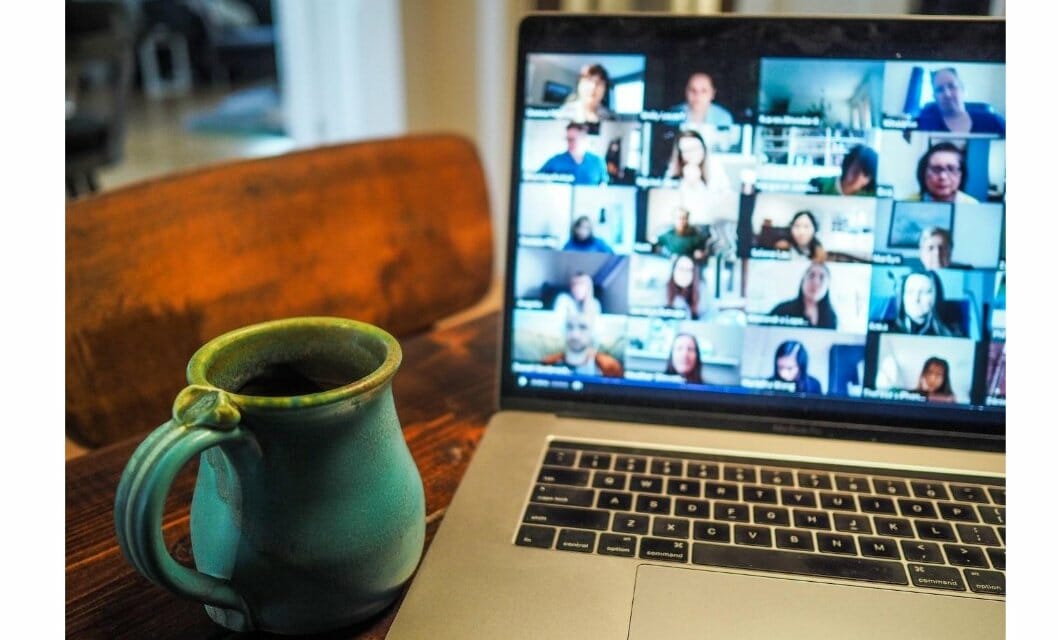
Remote work has gone from a temporary experiment to a global movement that has permanently reshaped the modern workplace. In 2025, millions of professionals around the world have made the shift from rigid 9-to-5 schedules to flexible, self-directed workstyles that blur the lines between home and office.
This new way of working is empowering employees to take charge of their time, prioritize well-being, and design lifestyles that truly reflect their personal values. But with all this freedom also comes a new set of challenges — maintaining balance, setting boundaries, and finding time to recharge.
Let’s explore how remote work in 2025 is redefining what it means to live and work well.
The Evolution of Remote Work: From Perk to Permanent
A decade ago, remote work was considered a luxury — something offered by forward-thinking tech companies or creative startups. Fast-forward to 2025, and it’s become a defining feature of the global economy.
Organizations have realized that productivity doesn’t depend on being physically present in an office. Instead, success now hinges on trust, communication, and results. Major corporations have adopted hybrid or fully remote models, while digital nomads and freelancers have built entire careers from their laptops.
This widespread transformation has not only changed business operations but has also influenced where and how people choose to live. Smaller towns and suburban areas are thriving as professionals move away from congested city centers in search of affordability and quality of life.
A New Approach to Work-Life Balance
The old definition of work-life balance — working hard all week to “enjoy” weekends — feels outdated in 2025. The modern workforce seeks balance on a daily basis.
Instead of measuring success by hours clocked in, people are measuring it by energy, fulfillment, and happiness. A well-balanced day might include a productive morning, a midday gym session, and an evening spent with family or on personal hobbies.
Remote work enables this flexibility. Professionals can structure their days around their peak focus times rather than conforming to arbitrary schedules. For parents, it means being there for school pickups. For freelancers, it means taking on projects that align with their passion. For entrepreneurs, it means scaling businesses from anywhere in the world.
The Mental Health Revolution
One of the most profound benefits of remote work is its potential to improve mental health — but it also presents new challenges.
Many workers report less stress from commuting and greater autonomy over their time. However, without proper boundaries, remote life can blur the separation between “work time” and “personal time,” leading to burnout and fatigue.
Employers are recognizing this and responding with wellness-first policies. From flexible hours and no-meeting Fridays to mental health days and therapy stipends, companies are learning that supporting emotional well-being directly boosts productivity and employee retention.
For individuals, prioritizing mental wellness has become part of daily life. Whether through meditation, yoga, journaling, or simply disconnecting from devices, remote professionals are developing new rituals that promote mindfulness and balance.
Technology as the Great Enabler
Technology has made the remote work revolution possible — and continues to enhance it every year. Cloud computing, AI-powered collaboration tools, and high-speed internet have turned kitchen tables into boardrooms and bedrooms into creative studios.
But beyond productivity, tech is also helping people maintain wellness and focus. Apps that track screen time, guide breathing exercises, and automate tasks have become essential tools for remote professionals. Even smart home devices now play a role in improving comfort and mental clarity while working.
Moreover, digital marketplaces are shaping the way remote workers unwind. Many professionals are exploring new ways to relax and disconnect from work, and lifestyle brands are meeting that need. For instance, an online head shop offers unique products that promote relaxation and creativity — helping remote workers decompress and find calm after long hours online. This growing trend reflects a shift toward holistic self-care that values mental clarity as much as career success.
Challenges of the Remote Lifestyle
Despite its benefits, remote work is not without its pitfalls. Loneliness, overworking, and lack of structure can all undermine well-being. Without office camaraderie, some employees struggle to maintain motivation or feel disconnected from company culture.
To overcome these hurdles, workers are intentionally creating routines that separate work and personal life:
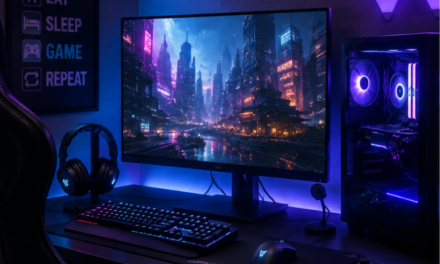
- Setting defined workspaces: A dedicated home office helps signal “start” and “end” of the workday.
- Taking mindful breaks: Short walks or breathing exercises during the day restore energy.
- Scheduling digital detox periods: Turning off notifications after work hours protects mental boundaries.
- Prioritizing connection: Regular video calls or coworking sessions maintain a sense of teamwork.
Businesses are adapting too — creating virtual communities, hosting online social events, and supporting hybrid meetups to nurture human connection in a digital world.
The Role of Employers in the New Era of Work
Forward-thinking employers now understand that offering flexibility isn’t just an employee perk — it’s a strategic investment. Companies with remote-friendly policies attract top talent globally, reduce office costs, and boost employee satisfaction.
The best organizations are embracing a “people-first” approach that emphasizes empathy, trust, and clear communication. They’re setting realistic goals, valuing outcomes over hours, and providing resources to help workers maintain healthy routines.
By 2025, the most successful companies are those that view balance not as a side effect of work, but as a core business value.
The Blending of Work and Lifestyle
Work-life balance today is less about strict separation and more about intelligent integration. Remote professionals are redefining success to include mental peace, creative freedom, and time with loved ones.
For example, many digital nomads now structure their careers around experiences — working from coasts, mountains, or vibrant cultural hubs. Others design flexible schedules that allow for volunteer work, hobbies, or continued education.
The line between “work” and “life” has softened, allowing people to build a lifestyle that nurtures both ambition and joy.
Looking Toward 2030: The Future of Balance
As we look ahead, the remote work movement shows no sign of slowing down. Experts predict that by 2030, over 70% of skilled professionals will work remotely at least part of the time. Artificial intelligence will take over repetitive tasks, allowing humans to focus on creativity, empathy, and innovation.
Workplaces will evolve into ecosystems centered on health, purpose, and sustainability — where well-being is the foundation of performance.
For employees and employers alike, the message is simple: The future of work-life balance is not about working harder or longer — it’s about living better and working smarter.
Conclusion
Remote work in 2025 has redefined what it means to have a career. It’s not just about flexibility — it’s about freedom, wellness, and intentional living. As technology advances and cultural expectations shift, the modern worker now has the power to design a life that aligns with both their personal and professional goals.
This transformation is not only changing the way we work — it’s changing who we are.